
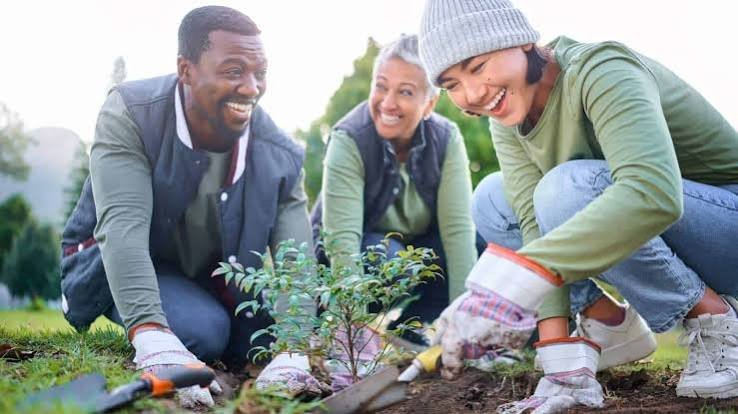
Community Gardening How Gardening Brings People Together
Introduction
Community gardening is a wonderful way to grow fresh vegetables, flowers, and herbs while building meaningful relationships with other people. It brings neighbors together, encourages teamwork, and creates shared green spaces where individuals can learn from one another. Whether you live in a busy city or a small town, community gardening can help you connect with others while making your surroundings greener and healthier.
In addition to producing fresh food, community gardens provide opportunities to share knowledge, improve local environments, and strengthen a sense of belonging. For beginners and experienced gardeners alike, joining a community garden can be a rewarding experience.
What Is Community Gardening?
Community gardening is the practice of growing plants in a shared space where individuals, families, or groups work together. These gardens may be located in public parks, schools, residential neighborhoods, or unused urban spaces.
Some community gardens provide individual plots for members, while others are maintained collectively. People can grow vegetables such as tomatoes, lettuce, and carrots, along with herbs, fruit plants, and decorative flowers.
The main purpose of community gardening is not just to grow plants. It is also about cooperation, learning, and creating stronger connections among people who share an interest in gardening and the environment.
How Community Gardening Builds Social Connections
One of the greatest benefits of community gardening is its ability to bring people together. Gardening provides a shared activity that encourages conversation, cooperation, and friendship.
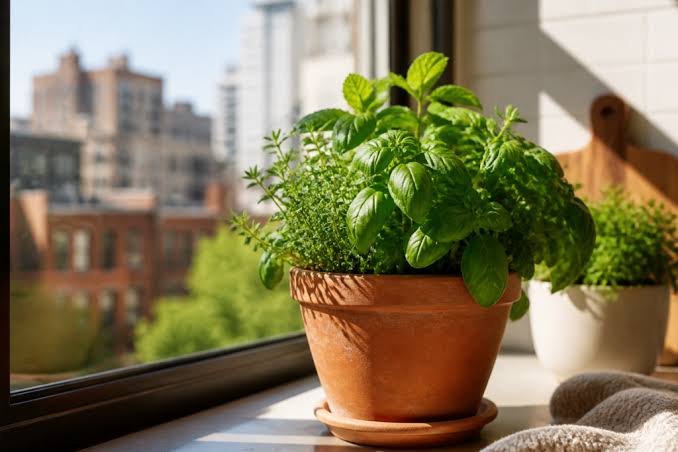
Readmore:Is Basil a Perennial? Everything You Need to Know
1. Encourages Neighbors to Meet
Many people rarely interact with their neighbors because of busy schedules and modern lifestyles. A community garden creates a natural place for people to meet regularly.
While planting seeds, watering plants, or harvesting vegetables, gardeners have opportunities to talk and get to know one another. Over time, these small interactions can develop into lasting friendships.
2. Promotes Teamwork and Cooperation
Maintaining a garden requires different tasks, including preparing the soil, planting seeds, controlling weeds, watering crops, and harvesting produce.
When community members share these responsibilities, they learn to work together toward a common goal. This cooperation can strengthen trust and help people appreciate the skills and contributions of others.
3. Connects People of Different Ages
Community gardens can bring together children, teenagers, adults, and older people. Each generation has something valuable to contribute.
Experienced gardeners can teach younger members about planting techniques, soil preparation, and seasonal crops. In return, younger gardeners may introduce new ideas and creative approaches.
These shared experiences encourage learning, respect, and stronger relationships between generations.
Benefits of Community Gardening
Community gardening offers several social, environmental, and practical benefits.
Improves access to fresh food: Growing vegetables and herbs locally can help members enjoy fresh produce and understand where their food comes from.
Supports mental well-being: Spending time outdoors, working with plants, and interacting with others may help reduce everyday stress and encourage a more positive routine.
Creates greener neighborhoods: Community gardens can transform unused spaces into attractive areas filled with plants, flowers, and vegetables.
Encourages environmental awareness: Gardeners can learn about composting, water conservation, pollinators, and sustainable growing methods.
Builds a sense of belonging: Participating in a shared project can help people feel more connected to their neighborhood and its residents.
The benefits depend on how a garden is organized, how accessible it is, and how actively members participate.
How to Start a Community Garden
Starting a community garden does not require a large budget or extensive gardening experience. A small, well-organized project can make a meaningful difference.
Step 1: Find an Appropriate Location
Look for an accessible area with sufficient sunlight, a reliable water supply, and suitable soil. Before using public or private land, obtain permission from the property owner or relevant authority.
Step 2: Bring Interested People Together
Talk to neighbors, friends, local schools, or community organizations. Discuss the garden’s purpose and invite people to contribute ideas, time, tools, or gardening knowledge.
Step 3: Choose Easy-to-Grow Plants
Select plants that suit your local climate and growing season. Herbs, leafy greens, radishes, and other suitable vegetables can be good starting options. Raised beds and containers may help when space or soil quality is limited.
Step 4: Share Responsibilities
Create a simple schedule for watering, weeding, cleaning, and harvesting. Clear responsibilities help prevent misunderstandings and ensure that the garden receives regular care.
Step 5: Organize Community Activities
Arrange planting days, gardening workshops, seed exchanges, or harvest gatherings. These activities make gardening more enjoyable and give members additional opportunities to develop friendships.
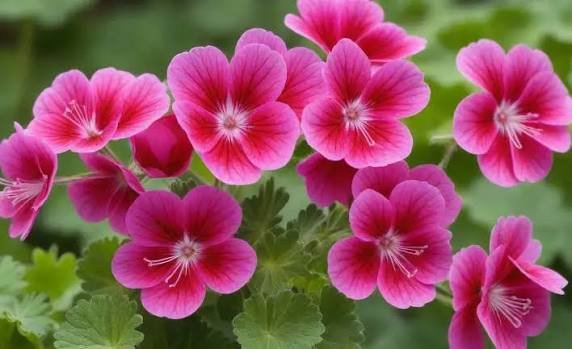
Readmore:Geraniums Care: A Complete Guide to Growing Healthy, Beautiful Flowers
How Community Gardening Helps Children and Families
Community gardens offer valuable learning opportunities for children and families. Children can discover how seeds grow, understand the importance of sunlight and water, and learn why plants need healthy soil.
Families can work together to plant vegetables, care for flowers, and harvest produce. These activities encourage patience, responsibility, cooperation, and environmental awareness.
Gardens can also become informal outdoor learning spaces where children ask questions, observe insects, and explore the natural world.
Common Challenges in Community Gardening
Although community gardening has many benefits, it can also involve challenges. Limited space, water shortages, pests, maintenance costs, and disagreements about responsibilities may affect a garden’s success.
Communities can address these problems by creating clear rules, planning a realistic budget, choosing climate-appropriate plants, and communicating openly.
In areas with limited water, gardeners can consider mulching, watering during cooler hours, and collecting rainwater where permitted and practical. Regular meetings can also help members resolve concerns before they become larger
(FAQ)s
What is the main purpose of community gardening?
The main purpose of community gardening is to allow people to grow plants in a shared space while encouraging cooperation, social interaction, environmental awareness, and access to fresh produce.
How does community gardening bring people together?
Community gardening brings people together through shared tasks, regular meetings, gardening workshops, and harvest activities. These experiences encourage conversations, teamwork, and lasting relationships.
What are the social benefits of community gardening?
The social benefits include stronger neighborhood connections, opportunities to learn from others, intergenerational relationships, teamwork, and a greater sense of belonging.
Can beginners participate in community gardening?
Yes. Beginners can participate by helping with simple tasks such as watering, planting seeds, removing weeds, and harvesting vegetables. They can also learn from experienced gardeners.
Is community gardening good for the environment?
Yes. Community gardening can increase green space, support pollinators, encourage composting, and promote more sustainable gardening practices when managed responsibly.
Conclusion
Community gardening is much more than growing vegetables and flowers. It creates opportunities for people to meet, share knowledge, cooperate, and build stronger neighborhood relationships. From improving access to fresh food to encouraging environmental awareness, community gardens can provide meaningful benefits for individuals and local communities.
Whether you join an existing garden or start a small project with your neighbors, every contribution can help create a greener and more connected community. By working together and caring for shared spaces, people can grow not only healthy plants but also lasting friendships.



One Comment