Is Basil a Perennial? Everything You Need to Know
Introduction
Basil is one of the most popular herbs for home gardens, cooking, and indoor growing. Its fresh leaves add flavor to pasta, salads, sauces, and many other dishes. However, many gardeners wonder whether basil grows back every year or needs to be replanted each season.
Basil is usually grown as an annual herb, but it can behave like a short-lived perennial in warm, frost-free climates. Its lifespan depends on the variety, temperature, growing conditions, and how well the plant is maintained.
In this guide, you will learn whether basil is perennial or annual, how long basil plants live, which varieties can survive for several years, and how to keep basil growing for as long as possible.
Is Basil a Perennial or an Annual?
Basil is generally considered an annual herb because most common varieties complete their life cycle within one growing season. Gardeners typically plant basil in spring or early summer, harvest its leaves throughout the warmer months, and replace the plant when cold weather arrives.
However, basil is botanically a tender plant that can live for more than one year under suitable conditions. In warm climates without frost, some basil plants can continue growing for multiple seasons.
The most important factor is temperature. Basil is sensitive to cold weather, and frost can quickly damage or kill the plant.
Here is a simple comparison:
- Annual basil: Usually grows for one season and is replanted the following year.
- Perennial basil: Can survive and produce new growth for multiple years in suitable conditions.
- Indoor basil: May continue growing throughout the year if it receives enough light, warmth, and proper care.
Sweet basil, Genovese basil, and many other common culinary varieties are usually grown as annuals, even though they may survive longer in favorable environments.
How Long Does a Basil Plant Live?
A typical basil plant lives for approximately three to six months under ordinary outdoor growing conditions, although its lifespan can vary considerably.
In warm weather, a healthy plant may produce fresh leaves for several months. With regular harvesting, adequate sunlight, and consistent watering, basil can remain productive throughout the growing season.
In a warm, frost-free environment, some plants may survive for a year or longer. Indoor basil can also live beyond a single growing season when it receives appropriate care.
Several factors influence how long basil survives:
- Temperature: Basil grows best in warm conditions and struggles in cold weather.
- Sunlight: Adequate light supports strong stems and healthy leaves.
- Watering: Consistent moisture helps prevent stress, while waterlogged soil can damage roots.
- Pruning: Regular trimming encourages branching and helps maintain productive growth.
- Flowering: Allowing basil to flower and produce seeds can reduce leaf production and contribute to the plant’s decline.
Although basil can sometimes live longer than one season, its productivity may decrease as the plant ages.
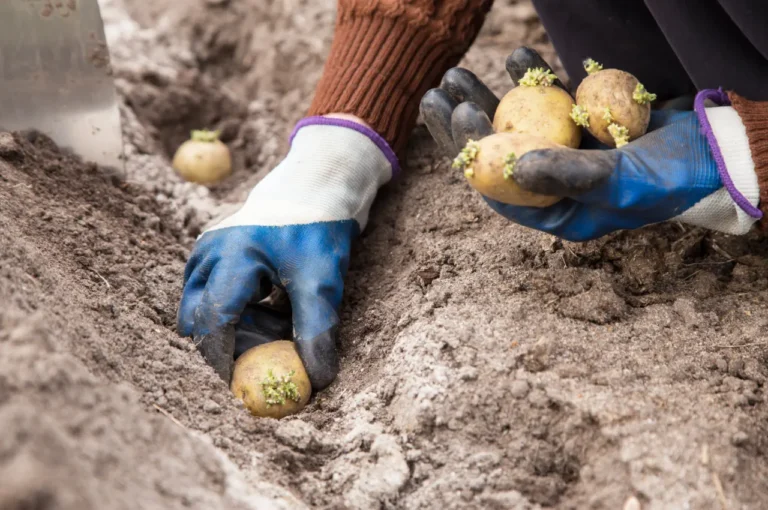
Readmore:Potatoes Seeding: A Complete Guide to Planting Potatoes Successfully
Which Basil Varieties Can Grow as Perennials?
Not all basil varieties have the same growth habits. Some are commonly grown as annuals, while certain types can survive for multiple years in warm climates.
Sweet Basil
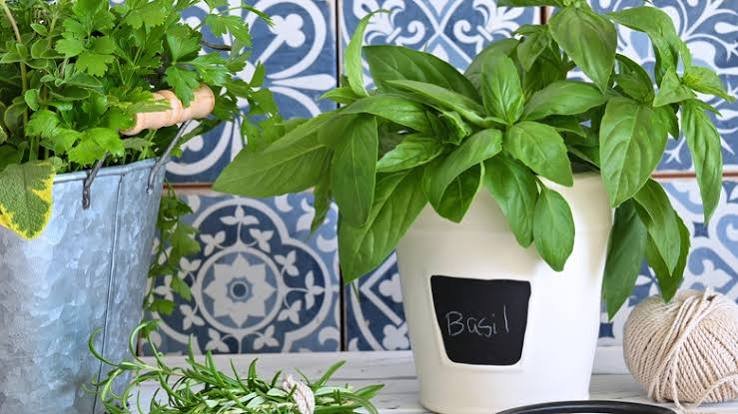
Sweet basil (Ocimum basilicum) is the variety most commonly used in home cooking. It produces aromatic green leaves that are popular in pesto, salads, and Mediterranean dishes.
Sweet basil is usually grown as an annual because it is sensitive to frost. In a warm indoor environment, however, it may continue growing beyond one season.
Genovese Basil
Genovese basil is a popular sweet basil variety known for its large, flavorful leaves. It is frequently used to make traditional pesto.
Like other sweet basil varieties, Genovese basil is generally grown as an annual. Keeping it warm, providing sufficient light, and regularly removing flower buds can help extend its productiv African Blue Basil
African blue basil is a distinctive basil hybrid that can grow as a perennial in suitable warm climates.
It has attractive purple stems, green and purple foliage, and flowers that attract bees and other pollinators. Unlike many common culinary basil varieties, it can continue growing for several years when protected from frost.
African blue basil is particularly useful in ornamental herb gardens and pollinator-friendly landscapes. Its flavor differs from that of traditional sweet basil.
Thai Basil
Thai basil is valued for its distinctive aroma and is widely used in Southeast Asian cooking.
It is generally cultivated as an annual in areas with cold winters. In tropical or otherwise frost-free conditions, it may survive longer, but it should not automatically be treated as a reliably perennial plant everywhere.
Important: A basil variety’s potential to live for several years does not mean it will survive freezing temperatures. Local climate and growing conditions remain important.
Can Basil Grow Back Every Year?
Yes, basil can grow back or survive into another year under the right circumstances, but this is not guaranteed.
In climates with mild winters and no frost, an established basil plant may continue producing leaves after its first growing season. Gardeners in colder regions usually grow basil as an annual or bring plants indoors before temperatures become too low.
Basil may also reseed itself. If flowers develop and produce viable seeds, new seedlings may appear in the garden during a later growing season.
However, seedlings growing from fallen seeds are new plants, not necessarily the original basil plant returning.
To encourage basil to grow for longer:
- Keep the plant in a warm location.
- Provide approximately six to eight hours of bright sunlight daily, or use a suitable grow light indoors.
- Water when the upper layer of soil begins to dry.
- Grow basil in well-draining soil.
- Pinch growing tips regularly to encourage branching.
- Remove flower buds when your main goal is continued leaf production.
- Protect the plant from cold temperatures and frost.
These steps can extend basil’s growing period, although they cannot guarantee that every variety will survive multiple years.
How to Keep Basil Alive During Winter
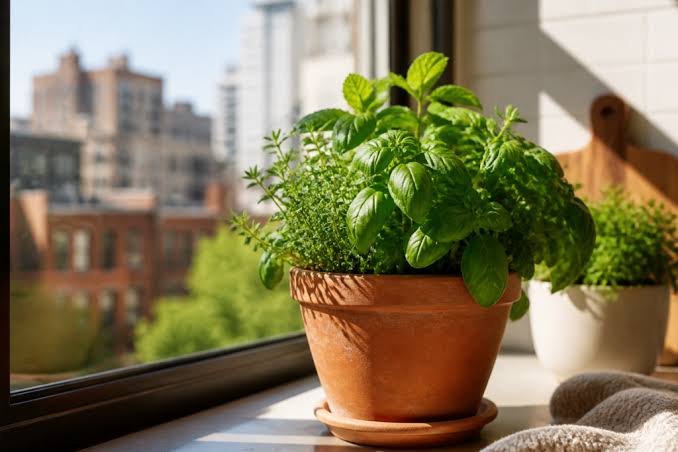
If you live in an area with cold winters, moving basil indoors is one way to extend its life. Basil generally prefers warmth, bright light, and protection from cold drafts.
Bring Basil Indoors Before Frost
Move outdoor basil into a protected indoor space before frost threatens. Avoid leaving the plant outside during cold nights, as low temperatures can cause leaf damage and slow growth.
Check the plant for insects before bringing it inside.
Provide Enough Light
Basil needs plenty of light to remain healthy indoors. Place it near a bright, sunny window or use a grow light if natural sunlight is insufficient.
Insufficient light can cause weak stems, pale leaves, and slow growth.
Maintain Warm Temperatures
Keep indoor basil in a comfortably warm room, ideally around 65–80°F (18–27°C). Avoid cold windowsills, chilly doorways, and sudden temperature changes.
Warm conditions help the plant continue growing, although growth may slow during winter because of reduced daylight.
Water Carefully
Indoor basil generally needs less water during periods of slower growth than during active summer growth.
Check the soil before watering. Water when the upper portion begins to dry, and make sure excess water can drain freely from the pot.
Do not allow the roots to remain in standing water, as this can encourage root rot.
Prune Regularly
Remove yellowing leaves and trim long, weak stems. Harvest the upper portions of healthy stems just above a pair of leaves to encourage branching.
Avoid removing too much foliage at once, particularly when the plant is already stressed by reduced winter light.
Does Basil Die After Flowering?
No, basil does not automatically die after flowering. However, flowering can change the plant’s growth pattern and reduce the amount of tender foliage available for harvesting.
When basil flowers, it begins directing energy toward reproduction and seed production. The stems may become woodier, and the leaves can develop a stronger or slightly different flavor.
If you want to keep harvesting leaves, pinch off flower buds as they appear. This often encourages the plant to produce more side shoots.
Nevertheless, flowering is a natural part of the plant’s life cycle. It is not the only reason basil plants eventually decline, and removing flowers cannot protect basil from frost or indefinitely prevent aging.
If you want seeds for future planting or wish to support pollinators, allowing some flowers to remain can be beneficial.
Readmore:How to Grow Basil Indoors: A Complete Beginner’s Guide
What Conditions Does Basil Need to Grow Well?
Whether you grow basil as an annual or try to keep it alive for multiple years, the right growing conditions make a significant difference.
Sunlight: Most common basil varieties perform best with approximately six to eight hours of sunlight daily.
Temperature: Basil prefers warm weather. Protect it from frost and prolonged cold conditions.
Soil: Use fertile, well-draining soil. A quality potting mix works well for container-grown basil.
Water: Keep the soil consistently lightly moist without making it waterlogged.
Fertilizer: Use a balanced fertilizer sparingly when necessary. Excessive fertilizer can encourage leafy growth while reducing the intensity of the plant’s aroma.
Spacing: Allow enough room for air circulation. Crowded plants may be more vulnerable to fungal problems.
For container gardening, choose a pot with drainage holes. A container also makes it easier to move basil indoors when the weather becomes unfavorable.
Is Basil a Perennial in Warm Climates?
Basil has a better chance of surviving for more than one year in tropical and subtropical climates where freezing temperatures are uncommon.
In warm regions, common basil may continue growing if it receives sufficient water, sunlight, and nutrients. Some perennial types, including African blue basil, are particularly suitable for long-term growth in frost-free environments.
However, hot weather alone does not guarantee that basil will live for years. Excessive heat, drought, poor drainage, pests, and disease can still damage the plant.
Gardeners in regions with seasonal temperature changes should pay attention to local growing conditions rather than assuming basil will always return the following year.
If your winters regularly bring frost, growing basil in containers and protecting it indoors is generally more reliable than leaving it outside.
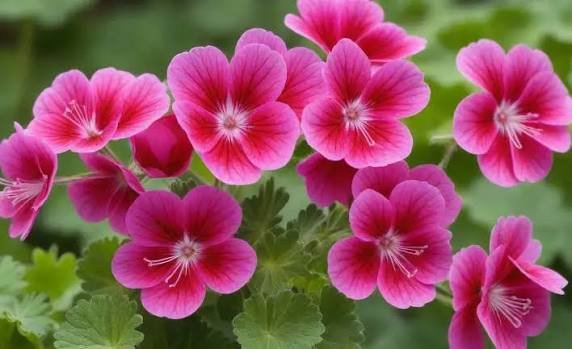
Readmore:Geraniums Care: A Complete Guide to Growing Healthy, Beautiful Flowers
(FAQ)s
Is basil a perennial herb?
Basil is usually grown as an annual herb, but some varieties can survive for several years in warm, frost-free conditions.
Will basil come back after winter?
It may survive winter in a warm, frost-free climate or indoors. In regions with freezing temperatures, outdoor basil usually will not survive winter without adequate protection.
Can basil live for two years?
Yes. Basil can live for two years or longer under favorable conditions, particularly when grown indoors or in a climate without frost. Its lifespan depends on the variety and care.
Should I bring basil indoors during winter?
Yes, if you want to preserve your plant in a region where frost or cold temperatures threaten it. Bring it indoors before the weather becomes too cold and provide plenty of light.
Does basil need to be replanted every year?
In most gardens, basil is replanted each year because common varieties are generally treated as annuals. However, established plants may survive longer in suitable conditions, and seeds can produce new plants.
Which basil variety is best for perennial growth?
African blue basil is a notable option for perennial growth in warm climates. Common sweet basil can also live beyond one season in suitable conditions, but it is more commonly grown as an annual.
Can basil grow indoors all year?
Yes, basil can grow indoors throughout the year if it receives sufficient light, warmth, water, and appropriate care. Growth may slow during winter if light levels are low.
Final Thoughts
So, is basil a perennial? Basil is generally grown as an annual, but it can live for more than one year in warm, frost-free conditions or when protected indoors. Some varieties, such as African blue basil, are particularly well suited to perennial growth in favorable climates.
If you want to enjoy fresh basil for longer, provide plenty of sunlight, warm temperatures, well-draining soil, and regular pruning. In colder regions, moving your basil indoors before frost can help extend its growing season.
With the right variety and proper care, you can enjoy fresh basil leaves for months and, in some cases, for multiple years.
Growing basil successfully starts with understanding your climate and choosing a variety suited to your garden. Whether you plant it in a container, a raised bed, or an indoor herb garden, basil can be a rewarding addition to your home.