How to Grow Basil Indoors: A Complete Beginner’s Guide
Introduction
Growing basil indoors is an easy and rewarding way to enjoy fresh herbs throughout the year. Whether you live in an apartment, have limited outdoor space, or simply want fresh basil close to your kitchen, basil can grow successfully in a pot on a sunny windowsill.
The key to growing healthy basil indoors is providing enough light, suitable soil, proper watering, good drainage, and regular harvesting. With the right care, you can grow fresh basil from seeds or starter plants and continue harvesting leaves for weeks or even months.
What Is Basil?
Basil is a popular aromatic herb belonging to the mint family. It is commonly used in pasta, pizza, salads, sauces, soups, pesto, and many other dishes. Sweet basil is one of the most popular varieties for indoor growing.
Basil is a warm-season plant that prefers plenty of sunlight and consistently warm temperatures. Because it grows relatively quickly, it is an excellent herb for beginners.
How to Grow Basil Indoors
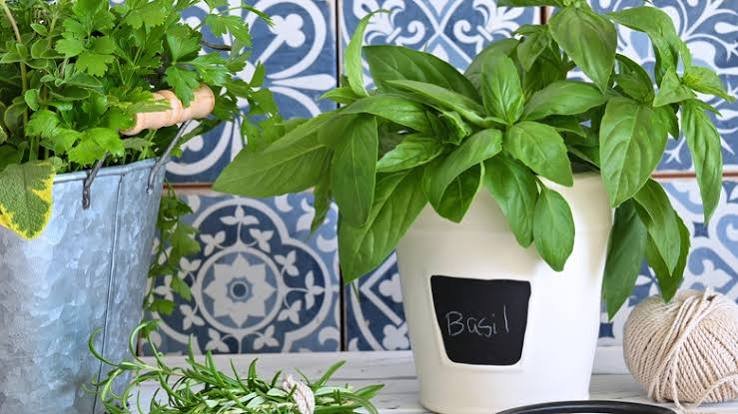
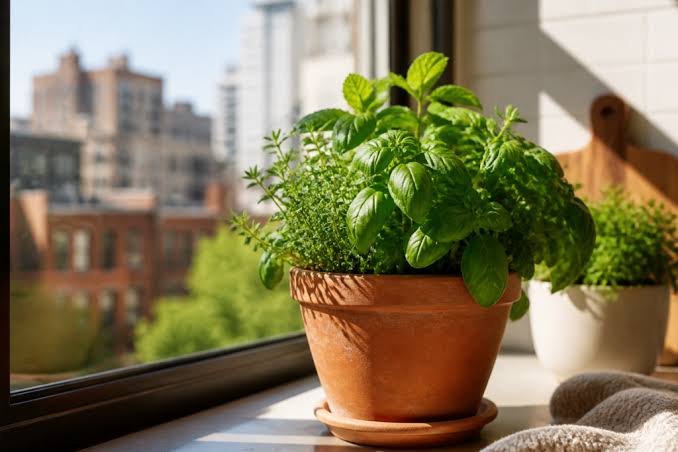
To grow basil indoors, choose a container with drainage holes, use well-draining potting soil, provide at least 6 hours of bright light each day, and water the plant when the top layer of soil begins to dry.
You can start basil from seeds or purchase a small basil plant from a garden center. With proper indoor conditions, basil can produce fresh leaves throughout the growing season.
What You Need to Grow Basil Indoors
Before planting basil, prepare the following supplies:
- Basil seeds or a healthy starter plant
- A pot with drainage holes
- High-quality, well-draining potting soil
- A sunny windowsill or grow light
- A small watering can or spray bottle
- A saucer to catch excess water
- Small scissors for harvesting
Choose a container that is large enough for the basil’s roots to develop. A pot around 6 to 8 inches wide is suitable for one young basil plant, while a larger container can support multiple plants.
Step 1: Choose the Right Basil Variety
There are several types of basil, but sweet basil is one of the easiest varieties for indoor gardening.
Other varieties include:
- Genovese basil
- Thai basil
- Lemon basil
- Cinnamon basil
- Purple basil
- Greek basil
If you are growing basil indoors for cooking, Genovese or sweet basil is a good choice because it produces flavorful leaves that work well in many recipes.
Step 2: Choose the Right Container
Basil needs a container with good drainage. Excess water that remains around the roots can lead to root problems and poor plant growth.
Select a pot with at least one drainage hole at the bottom. If you are using a decorative container without drainage, place the basil in a nursery pot with drainage holes inside it.
Avoid choosing an extremely small container because basil needs enough room for its roots to develop.
Step 3: Use Well-Draining Soil
Use a quality indoor potting mix rather than heavy garden soil. Indoor potting soil allows water and air to move around the roots more effectively.
A good potting mix should:
- Drain excess water easily
- Hold enough moisture for the roots
- Remain light and loose
- Support healthy root development
Avoid compacting the soil too tightly when planting because basil roots need access to air as well as moisture.
Step 4: Plant Basil Seeds
If you are starting basil from seeds, fill your container with moist potting soil. Sprinkle the seeds over the surface and cover them with a very thin layer of soil.
Keep the soil lightly moist but avoid soaking it. Place the container somewhere warm with bright light.
Under suitable conditions, basil seeds can begin germinating within several days to around two weeks.
Once the seedlings develop several sets of true leaves, you can thin them if they are growing too closely together.
Step 5: Give Basil Plenty of Light
Light is one of the most important factors when growing basil indoors.
Basil generally performs best with around 6 to 8 hours of bright light each day. A south-facing or similarly bright window can work well, depending on your location and seasonal sunlight.
If natural sunlight is limited, use a suitable LED grow light. Keep the grow light at an appropriate distance according to the manufacturer’s instructions.
Signs that basil may not be receiving enough light include:
- Long, thin stems
- Small leaves
- Slow growth
- Plants leaning toward the window
- Pale-looking foliage
Rotating the pot every few days can also help the plant receive light more evenly.
Step 6: Water Basil Correctly
Proper watering is essential for healthy basil.
Check the soil with your finger. If the top inch of soil feels dry, it is generally time to water. Water slowly until a small amount drains from the bottom of the container.
Do not allow the pot to sit in standing water.
Both overwatering and underwatering can cause problems. Too much water can contribute to root problems, while consistently dry soil can cause basil leaves to wilt.
The exact watering frequency depends on factors such as temperature, sunlight, pot size, soil, and humidity.
Step 7: Maintain the Right Temperature
Basil prefers warm conditions and does not tolerate cold temperatures well.
For indoor growing, keep basil away from cold drafts, air-conditioning vents, and very cold windows.
A warm indoor environment with good air circulation can help basil grow more strongly.
Avoid placing basil directly next to a heater because excessive heat and dry air can stress the plant.
Step 8: Pinch and Prune Basil Regularly
Regular pruning encourages basil to become fuller and bushier.
When the plant develops several sets of leaves, pinch or cut the stem just above a pair of leaves. This encourages the plant to produce new branches.
Do not allow the plant to become tall and leggy before pruning.
Regular harvesting is actually beneficial because it encourages new growth and gives you fresh basil for cooking.
Step 9: Prevent Basil From Flowering Too Early
Basil naturally produces flowers as it matures. While the flowers are attractive and edible, allowing the plant to flower heavily can cause the leaves to become less tender and flavorful.
If your goal is to produce lots of leaves, pinch off flower buds when they appear.
Removing flower buds encourages the plant to focus more energy on producing foliage.
How Often Should You Water Indoor Basil?
Indoor basil should be watered when the top layer of soil begins to dry rather than according to a strict daily schedule.
Depending on indoor conditions, basil may need watering every few days, but there is no single watering schedule that works for every home.
Check the soil before watering. If it still feels noticeably moist, wait before watering again.
How Much Sunlight Does Indoor Basil Need?
Basil generally needs about 6 to 8 hours of bright light each day for strong growth.
A bright sunny window may provide enough natural light. However, during darker seasons or in homes with limited sunlight, an LED grow light can help maintain healthy growth.
If the plant becomes stretched or leans strongly toward a light source, it may need more light.
How Long Does Basil Take to Grow Indoors?
Basil can grow relatively quickly under favorable conditions. Seeds may germinate within several days to two weeks, while plants can continue producing harvestable leaves as they mature.
The exact growth rate depends on the basil variety, temperature, light, soil, watering, and overall plant care.
Starting with a healthy young basil plant can provide harvests sooner than growing entirely from seed.
Common Problems When Growing Basil Indoors
Even though basil is relatively easy to grow, indoor plants can experience several common problems.
Yellow Basil Leaves
Yellow leaves may be caused by overwatering, poor drainage, insufficient light, nutrient problems, or natural aging.
Check the soil moisture and make sure excess water can drain from the container.
Basil Leaves Wilting
Wilting can occur when the plant needs water, but it can also happen because of excessive moisture or root problems.
Check the soil before adding more water.
Leggy Basil Plants
A basil plant with long, weak stems and large spaces between leaves is often not receiving enough light.
Move the plant closer to a bright light source or use a grow light.
Brown or Dry Leaf Edges
Dry leaf edges can result from inconsistent watering, very dry indoor air, excessive fertilizer, or other environmental stress.
Check the plant’s growing conditions and adjust watering as necessary.
Can You Grow Basil Indoors All Year?
Yes, basil can be grown indoors throughout the year when the plant receives suitable light, warmth, water, and care.
Indoor growing can be especially useful during colder months when outdoor temperatures are unsuitable for basil.
If natural sunlight decreases during winter, a grow light may help maintain healthy growth.
How to Harvest Indoor Basil
Harvest basil by cutting individual leaves or stems with clean scissors.
For continued growth, avoid removing too many leaves from the plant at one time. Instead, harvest regularly and cut stems just above a pair of leaves.
Frequent harvesting can encourage the plant to produce additional branches and leaves.
Freshly harvested basil can be used immediately or stored for later use.
(FAQ)s
Can basil grow indoors without direct sunlight?
Basil needs plenty of bright light. If a sunny window does not provide enough light, an indoor grow light can help supply the additional light the plant needs.
How big should an indoor basil pot be?
A pot around 6 to 8 inches wide can work well for one basil plant. Larger containers can be used when growing multiple plants or allowing the plant to develop more extensively.
How often should I water basil indoors?
Water when the top layer of soil begins to dry. Avoid following a fixed daily schedule because watering needs change depending on light, temperature, humidity, soil, and pot size.
Why is my indoor basil turning yellow?
Yellow leaves can be caused by overwatering, poor drainage, insufficient light, nutrient issues, or natural leaf aging. Check the soil and growing conditions before changing your watering routine.
Can basil grow indoors during winter?
Yes. Basil can grow indoors during winter if it receives sufficient light and remains in a warm environment. A grow light can be especially useful when natural daylight is limited.
Does basil need fertilizer indoors?
Basil can benefit from occasional feeding during active growth. Use a balanced fertilizer according to the product’s instructions and avoid applying excessive fertilizer.
Final Tips for Growing Basil Indoors
Growing basil indoors does not require complicated equipment. The most important things are bright light, well-draining soil, proper watering, warmth, and regular harvesting.
For the best results:
- Choose a healthy basil variety.
- Use a container with drainage holes.
- Plant in quality potting soil.
- Provide around 6 to 8 hours of bright light.
- Water when the top soil begins to dry.
- Keep the plant warm and away from cold drafts.
- Prune and harvest regularly.
- Remove flower buds if you want more leafy growth.
- Watch for signs of overwatering or insufficient light.
- Harvest fresh leaves whenever needed.
With consistent care, basil can become one of the easiest and most useful herbs to grow indoors. Whether you are a beginner gardener or simply want fresh herbs in your kitchen, learning how to grow basil indoors is a simple way to enjoy homegrown flavor throughout the year.
Readmore: Potatoes Seeding: A Complete Guide to Planting Potatoes Successfully