Geraniums Care: A Complete Guide to Growing Healthy, Beautiful Flowers
Introduction
Geraniums are popular flowering plants known for their colorful blooms, attractive foliage, and relatively easy maintenance. They are an excellent choice for garden beds, patio containers, hanging baskets, and window boxes. With the right amount of sunlight, proper watering, well-draining soil, and regular pruning, geraniums can produce beautiful flowers throughout much of the growing season.
Learning proper geraniums care helps gardeners grow stronger plants, encourage continuous blooming, and prevent common problems such as yellow leaves, root rot, and poor flowering. Whether you are a beginner or an experienced gardener, understanding the basic needs of geraniums will help you enjoy healthier plants.
In this guide, you will learn how to grow geraniums, how often to water them, which soil works best, how to encourage more flowers, and how to keep your plants healthy throughout the year.
What Are Geraniums?
Geraniums commonly sold in garden centers are often plants from the genus Pelargonium. Although gardeners usually call them geraniums, true hardy geraniums belong to a different plant group. Both types are popular, but their growing requirements can differ.
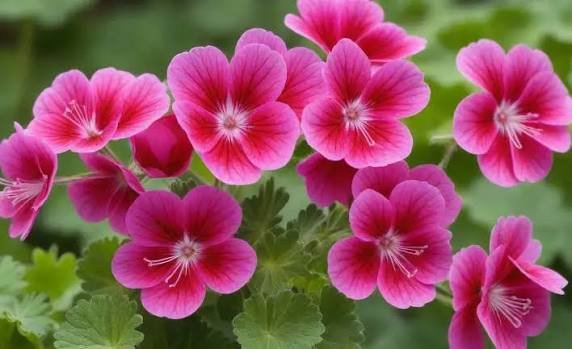
Common garden geraniums are valued for their red, pink, white, purple, and orange flowers. Depending on the variety, they can grow upright, spread along the ground, or trail over the edges of containers.
The most common types include:
- Ivy geraniums: Trailing varieties that are ideal for hanging baskets and window boxes.
- Scented-leaf geraniums: Plants grown mainly for their fragrant leaves.
- Regal geraniums: Decorative varieties with large, attractive flowers.
- Hardy geraniums: Perennial garden plants that generally tolerate cooler conditions better than common tender geraniums.
Identifying your geranium type is an important first step because sunlight, winter protection, and pruning requirements can vary.
How to Care for Geraniums
Geraniums grow best when they receive sufficient sunlight, moderate watering, fertile but well-draining soil, and regular maintenance. The following care tips will help you maintain healthy plants and encourage more flowers.
1. Provide the Right Amount of Sunlight
Sunlight is one of the most important factors in successful geraniums care. Most common garden geraniums grow best in a location that receives approximately four to six hours or more of direct sunlight each day, depending on the climate and variety.
Adequate sunlight encourages strong stems, compact growth, and abundant flowering. Plants grown in deep shade may develop long, weak stems and produce fewer flowers.
In regions with very hot summers, intense afternoon sunlight can cause stress, especially when plants are growing in small containers. Morning sunlight followed by light afternoon shade may help protect them from excessive heat.
Sunlight tips for geraniums:
- Choose a bright location with good air circulation.
- Place indoor geraniums near a sunny window.
- Rotate indoor pots occasionally to encourage even growth.
- Provide some afternoon shade during extreme heat.
- Watch for pale growth or reduced flowering, which may indicate insufficient light.
2. Water Geraniums Correctly
Proper watering is essential because geraniums prefer moderately moist growing conditions but do not tolerate consistently waterlogged soil.
Water your plants when the upper layer of soil feels dry to the touch. Insert a finger approximately one inch into the soil to check moisture before watering. If the soil is still damp, wait before adding more water.
When watering, apply enough water to moisten the root zone. For container-grown plants, allow excess water to drain through the bottom of the pot, and empty any standing water from saucers.
Avoid watering automatically on a fixed schedule. Temperature, sunlight, pot size, soil type, and plant growth all affect how quickly the soil dries.
Common watering mistakes include:
- Watering while the soil is still wet.
- Leaving pots in standing water.
- Allowing plants to wilt repeatedly from severe dryness.
- Using containers without drainage holes.
- Wetting the foliage unnecessarily when watering.
Yellow leaves and soft stems can indicate excessive moisture, while dry soil and drooping leaves may suggest that a plant needs water. However, check the roots and growing conditions before assuming that watering is the only problem.
3. Choose Well-Draining Soil
Geraniums need soil that holds some moisture but allows excess water to escape. Heavy, compacted soil can restrict root growth and increase the risk of root rot.
For container gardening, choose a high-quality potting mix designed for flowering plants. A mix containing suitable organic materials and components that improve drainage can support healthy roots.
For garden beds, loosen compacted soil and improve its structure with appropriate organic matter. If the area remains waterlogged after rain, consider using a raised bed or planting in containers.
Best soil conditions for geraniums:
- Good drainage.
- Adequate airflow around the roots.
- Moderate moisture retention.
- Sufficient nutrients for flowering.
- A slightly acidic to neutral soil pH is generally suitable.
Avoid using dense garden soil alone in pots because it can become compacted and drain poorly.
4. Select the Right Pot and Container
Growing geraniums in containers allows you to move plants according to changing weather and sunlight conditions. However, the container must provide enough room for root growth and proper drainage.
Choose a pot with drainage holes and a size appropriate for the plant. An excessively large container can retain moisture for longer than necessary, while a very small pot may dry out quickly and restrict root development.
Terracotta pots allow moisture to evaporate through their sides, while plastic pots generally retain moisture longer. Both can work well if watering is adjusted accordingly.
For hanging baskets, trailing ivy geraniums are an attractive choice because their stems grow over the edges of the container.
5. Fertilize Geraniums for Better Growth
Geraniums benefit from regular feeding during active growth, especially when they are grown in containers where nutrients are gradually depleted.
Use a balanced fertilizer or a fertilizer formulated for flowering plants. Follow the product label for the recommended amount and application frequency. Applying too much fertilizer can damage roots or encourage excessive leafy growth at the expense of flowers.
A practical feeding routine includes:
- Fertilizing during active spring and summer growth.
- Following the instructions on the fertilizer label.
- Avoiding fertilizer application to severely dry or stressed plants.
- Reducing or stopping feeding when growth slows during cooler months.
- Avoiding excessive nitrogen, which can encourage leaves rather than flowers.
If you have recently repotted a plant in potting mix that already contains fertilizer, check the mix instructions before adding more nutrients.
6. Deadhead Flowers Regularly
Deadheading means removing faded flowers before they develop seeds. This simple maintenance task can help many common garden geraniums continue producing attractive blooms.
To deadhead a geranium, follow the flower stem down to where it joins the main stem or another branch. Use clean fingers or pruning scissors to remove the spent flower stalk without damaging healthy growth.
Regular deadheading also improves the plant’s appearance and helps reduce decaying plant material around the foliage.
Check your geraniums every few days during the main flowering season. Remove faded blooms, yellow leaves, and damaged stems whenever necessary.
7. Prune Geraniums for a Fuller Shape
Pruning helps maintain a compact shape, encourages branching, and removes damaged or unhealthy growth.
For common garden geraniums, lightly trim long or leggy stems during active growth. Make clean cuts just above a healthy leaf joint to encourage new side shoots.
If a plant has become tall and sparse, selective pruning can improve its shape. Avoid removing too much healthy growth at once, particularly when the plant is already stressed by heat or drought.
Hardy perennial geraniums may require different pruning practices, including cutting back foliage after flowering or during seasonal maintenance. Always consider the specific plant type before pruning.
8. Maintain the Right Temperature
Most common garden geraniums prefer mild to warm growing conditions. They generally grow well in temperatures around 60–75°F (16–24°C), although individual varieties can tolerate conditions outside this range.
Extreme heat may reduce flowering, dry out container soil quickly, or cause leaves to wilt. Cold temperatures and frost can severely damage many common Pelargonium varieties.
To protect your plants:
- Move container-grown geraniums away from extreme heat when necessary.
- Provide shade during intense afternoon heat.
- Protect tender plants before frost.
- Bring potted geraniums indoors before cold weather if you want to keep them through winter.
- Avoid placing indoor plants next to cold drafts or heating vents.
Hardy geraniums are generally more cold-tolerant, but their winter requirements depend on the species and local climate.
9. Grow Geraniums Indoors
Geraniums can grow indoors if they receive enough light and have suitable drainage. A bright window with several hours of direct sunlight is often a good location.
Indoor plants usually use water more slowly than outdoor plants, particularly during winter. Check the soil before watering instead of following an outdoor watering schedule.
For successful indoor geraniums care:
- Place plants near a bright, sunny window.
- Use pots with drainage holes.
- Provide good air circulation.
- Remove dead leaves and faded flowers.
- Avoid excessive watering during periods of slow growth.
- Inspect leaves regularly for pests.
If your indoor geranium develops long stems and produces few flowers, it may need more sunlight or selective pruning.
10. Protect Geraniums During Winter
Many common garden geraniums are tender plants that can be damaged by frost. In cold climates, gardeners often treat them as annuals or bring them indoors to preserve them for the following growing season.
Before moving a geranium indoors, inspect it for pests and remove dead or diseased foliage. Place it in a bright location and reduce watering according to its growth rate.
Some gardeners also store dormant plants in cool conditions, but the appropriate method depends on the variety and local climate.
In warmer regions where frost is uncommon, geraniums may continue growing outdoors for much of the year. Protect plants from prolonged cold, excessive rain, and waterlogged soil.
How to Make Geraniums Bloom More
If your geraniums have healthy leaves but produce very few flowers, several growing conditions may need adjustment.
Give Them More Sunlight
Insufficient light is a common reason for poor flowering. Move the plant to a brighter location gradually if it has been growing in shade.
Avoid Excessive Fertilizer
Too much nitrogen can encourage leafy growth while reducing flower production. Follow fertilizer instructions and choose a suitable formula for flowering plants.
Remove Faded Flowers
Regular deadheading keeps plants tidy and can encourage continued flowering in many common garden varieties.
Check the Watering Routine
Both severe dryness and consistently wet soil can stress the plant. Check soil moisture before watering and ensure that the pot drains freely.
Improve Air Circulation
Crowded plants and poor airflow can contribute to foliage problems. Space plants appropriately and remove dead leaves to keep the foliage healthy.
Allow Time for Recovery
A stressed geranium may need time to recover before producing new flowers. Correct the growing conditions gradually rather than applying extra fertilizer or water in an attempt to force blooming.
Common Geranium Problems and Their Solutions
Even well-maintained geraniums can develop problems. Recognizing symptoms early helps you identify the likely cause and take appropriate action.
Yellow Leaves
Yellow leaves can result from overwatering, poor drainage, nutrient deficiencies, or natural aging.
Solution: Check soil moisture, inspect drainage holes, and remove older yellow leaves. If the soil stays wet for long periods, adjust watering and improve drainage.
Brown or Crispy Leaf Edges
Brown leaf edges may indicate drought stress, excessive heat, fertilizer burn, or other environmental problems.
Solution: Check soil moisture and recent fertilizer applications. Provide protection from extreme heat and avoid overfeeding.
Leggy Growth
Long, weak stems with widely spaced leaves often indicate insufficient light or a need for pruning.
Solution: Increase light exposure gradually and trim leggy stems to encourage branching.
Few or No Flowers
Poor flowering may be caused by inadequate sunlight, excessive nitrogen, improper watering, or unsuitable temperatures.
Solution: Improve light exposure, review your fertilizer routine, and maintain balanced soil moisture.
Root Rot
Root rot is often associated with persistently wet soil and poor drainage. Affected plants may develop yellow leaves, soft stems, or dark, damaged roots.
Solution: Remove the plant from waterlogged conditions, assess root damage, and repot it in fresh, well-draining mix if enough healthy roots remain.
Pests on Geraniums
Geraniums can be affected by aphids, whiteflies, spider mites, and other garden pests. Signs may include distorted leaves, sticky residue, tiny insects, or fine webbing.
Solution: Inspect the undersides of leaves, remove heavily affected foliage when appropriate, and use a suitable pest-control treatment according to its label.
Good plant hygiene, adequate airflow, and regular inspection can help reduce many pest and disease problems.
How to Propagate Geraniums
Propagation allows you to grow new plants from an existing healthy geranium. Stem cuttings are a common method for many garden geranium varieties.
Follow these steps:
- Select a healthy, non-flowering stem.
- Use clean scissors or pruning shears to take a cutting several inches long.
- Remove the lower leaves from the cutting.
- Allow the cut end to dry briefly if appropriate for the variety and conditions.
- Insert the cutting into a suitable, lightly moist propagation mix.
- Place it in bright, indirect light and keep the mix from becoming waterlogged.
- Check for root development over the following weeks.
Once the cutting has developed a healthy root system and begins producing new growth, transplant it into a suitable pot.
Propagation success depends on temperature, moisture, plant variety, and the condition of the cutting.
Best Time to Plant Geraniums
The best planting time depends on your climate and whether you are growing tender garden geraniums or hardy perennial geraniums.
For common tender garden geraniums, plant outdoors after the danger of frost has passed and temperatures are suitable for active growth. In warm climates, avoid planting during periods of extreme heat.
Hardy perennial geraniums are often planted in spring or fall when conditions allow their roots to establish without severe heat or cold stress.
When planting, choose a suitable location, prepare well-draining soil, and water the plant thoroughly to help settle the soil around its roots.
Geraniums Care: A Simple Seasonal Checklist
Use this checklist to maintain healthy plants throughout the year.
Spring
- Inspect plants for winter damage.
- Refresh potting mix or repot if needed.
- Begin feeding when active growth resumes.
- Increase watering as growth and temperatures increase.
Summer
- Check soil moisture frequently.
- Provide protection during extreme heat.
- Remove faded flowers regularly.
- Monitor plants for pests and diseases.
Fall
- Remove damaged leaves and stems.
- Reduce feeding as growth slows.
- Bring tender container plants indoors before frost.
- Check plants carefully for pests before moving them inside.
Winter
- Provide adequate light for indoor plants.
- Water less frequently when growth slows.
- Avoid leaving roots in waterlogged soil.
- Monitor plants for pests and cold damage.
Adjust this checklist to your climate and the specific geranium
(FAQ)s
How often should you water geraniums?
Water geraniums when the upper layer of soil feels dry. The frequency depends on temperature, sunlight, pot size, and soil drainage. Container plants in hot, sunny conditions may need water more frequently than indoor plants.
Do geraniums need full sun?
Most common garden geraniums perform best with several hours of direct sunlight each day. In very hot climates, some afternoon shade can help prevent heat stress.
Are geraniums easy to care for?
Yes. Many common garden geraniums are relatively easy to maintain when they receive adequate sunlight, well-draining soil, appropriate watering, and occasional feeding and pruning.
Why are my geranium leaves turning yellow?
Yellow leaves can result from overwatering, poor drainage, nutrient problems, or natural aging. Check the soil and roots before deciding which treatment is appropriate.
How do I get my geraniums to flower more?
Provide sufficient sunlight, remove faded blooms, avoid excessive nitrogen fertilizer, and maintain balanced watering. Also check whether heat or cold is affecting the plant.
Can geraniums grow in pots?
Yes. Geraniums grow well in containers when the pots have drainage holes and the growing mix drains properly. Adjust watering according to how quickly the soil dries.
Can geraniums survive winter?
Many common garden geraniums are sensitive to frost and may need to be moved indoors during winter. Hardy perennial geraniums are generally more cold-tolerant, depending on the species.
Are geraniums perennials or annuals?
It depends on the type and climate. Common garden geraniums, which are usually Pelargonium species, are tender perennials but are often grown as annuals in cold climates. True hardy geraniums are generally perennial garden plants.
Should I remove dead flowers from geraniums?
Yes. Removing faded flower clusters helps keep plants tidy and can encourage continued flowering in many common garden geranium varieties.
What is the best fertilizer for geraniums?
A balanced fertilizer or one formulated for flowering plants can work well. Follow the label directions and avoid excessive nitrogen, which may encourage leaf growth at the expense of flowers.
Final Thoughts
Successful geraniums care depends on providing the right balance of sunlight, water, soil drainage, nutrients, and regular maintenance. These colorful plants can thrive in garden beds, containers, hanging baskets, and sunny indoor locations when their basic growing needs are met.
Start by identifying your geranium variety, choosing a suitable growing location, and checking soil moisture before watering. Remove faded flowers, prune damaged growth, and monitor plants regularly for pests or signs of stress.
With consistent care and the right growing conditions, geraniums can reward you with attractive foliage and beautiful blooms throughout much of the growing season. Whether you are planting your first geranium or improving an established garden, these practical tips will help you grow healthier and more vibrant plants.