Fall Perennial Toad Lily: A Beautiful Flower for Autumn Gardens
Introduction
If you want to add beautiful flowers and unique colors to your autumn garden, the fall perennial toad lily is an excellent choice. Known for its delicate, orchid-like flowers and attractive foliage, the toad lily brings beauty to shaded garden spaces when many other flowers have finished blooming.
Toad lilies are popular among gardeners because they produce unusual flowers in late summer and fall. Their ability to grow in shady areas makes them especially valuable for gardens where direct sunlight is limited. Whether you are an experienced gardener or just starting, growing toad lilies can be a rewarding experience.
What Is a Fall Perennial Toad Lily?
Toad lily is a shade-loving perennial flower that belongs to the genus Tricyrtis. It is native to parts of Asia, particularly Japan, China, and other regions with woodland environments.
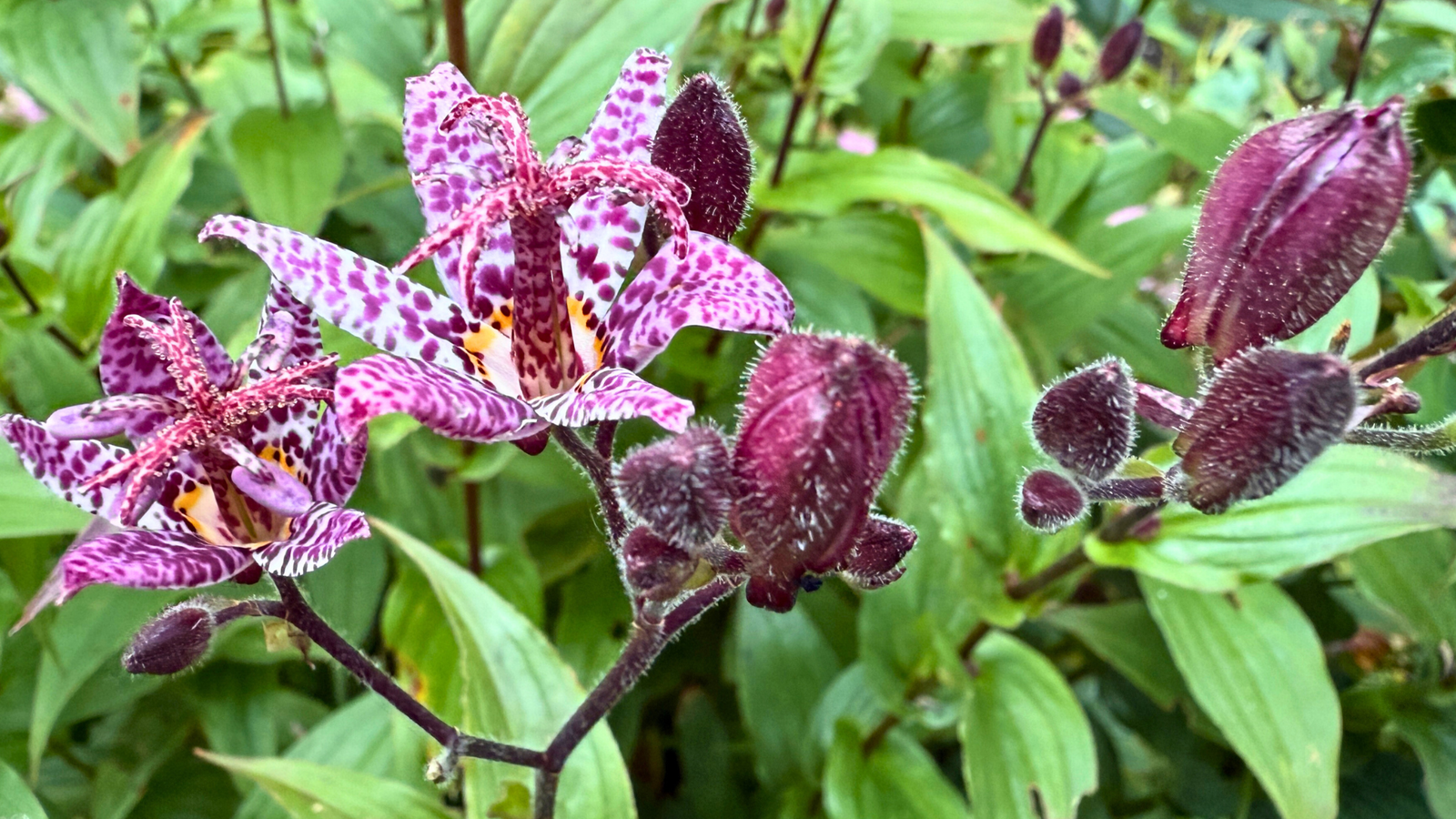
Unlike many traditional garden flowers, toad lilies have small, star-shaped blooms with interesting spots and patterns. Their flowers often feature shades of white, purple, pink, and lavender.
As a perennial plant, the toad lily returns year after year under suitable growing conditions. It typically blooms from late summer through fall, adding color to gardens when fewer flowering plants are available.
Why Grow Toad Lilies in a Fall Garden?
Toad lilies are an excellent addition to autumn gardens for several reasons. First, they bloom relatively late in the growing season, helping maintain garden color during fall.
Second, they grow well in partial to full shade, making them suitable for woodland gardens, shaded borders, and spaces beneath trees.
Another advantage is their unusual appearance. Their spotted flowers look similar to miniature orchids, creating an attractive display that stands out among other shade-loving plants.
They also work beautifully alongside hostas, ferns, and other woodland perennials.
Readmore:English Rose Garden Design: Ideas for a Beautiful and Timeless Garden
Best Growing Conditions for Toad Lilies
Providing the right growing conditions is important for healthy growth and beautiful flowers.
1. Sunlight: Toad lilies prefer partial shade or full shade. Morning sunlight with afternoon shade is often ideal. Too much direct afternoon sunlight can damage their leaves and cause the soil to dry quickly.
2. Soil: These plants grow best in rich, loose, well-draining soil. Adding compost or organic matter can improve soil quality and help maintain moisture.
3. Water: Consistent moisture is essential for healthy toad lilies. Keep the soil slightly moist, especially during warm weather. However, avoid waterlogged conditions because excessive moisture can damage the roots.
4. Temperature: Most commonly grown toad lily varieties are suitable for temperate climates and tolerate cool autumn conditions. Their exact cold tolerance depends on the variety.
How to Plant Fall Perennial Toad Lilies
Planting toad lilies is relatively simple when you follow a few basic steps.
Start by selecting a shaded location with moist, well-draining soil. Remove weeds, stones, and other unwanted materials from the planting area.
Dig a hole slightly larger than the plant’s root ball. Place the plant at approximately the same depth as it was growing in its original container.
Cover the roots with soil and gently press around the base. Water thoroughly after planting to help the roots establish themselves.
If you are planting multiple toad lilies, leave enough space between them for mature growth and good air circulation. Spring is generally a reliable planting time, although fall planting may also work in regions with mild weather and sufficient time before freezing conditions.
How to Care for Toad Lilies During Fall
Fall is an important season for toad lilies because many varieties produce their beautiful flowers during this period.
Water regularly when rainfall is insufficient. The soil should remain consistently moist without becoming saturated.
Apply a layer of organic mulch around the plants to help retain moisture and protect the roots from temperature changes. Keep mulch slightly away from the stems to reduce the risk of rot.
Remove damaged leaves and spent flowers when necessary. Avoid cutting the entire plant back while its foliage is still healthy.
After the first hard frost, the foliage may naturally decline. You can remove dead plant material to keep the garden tidy and prepare the area for winter.
Common Problems When Growing Toad Lilies
Although toad lilies are relatively easy to grow, they can experience a few common problems.
Slug and snail damage: Slugs and snails may feed on young leaves and flowers. Check plants regularly and use suitable garden pest-control methods.
Dry soil: Insufficient moisture can cause leaves to wilt or develop brown edges. Regular watering and organic mulch can help prevent this problem.
Poor flowering: Plants growing in excessive shade, poor soil, or unsuitable conditions may produce fewer flowers. Providing filtered sunlight and nutrient-rich soil can improve flowering.
Root problems: Poor drainage can encourage root damage. Always choose soil that holds moisture but allows excess water to drain away.
Best Plants to Grow Alongside Toad Lilies
Toad lilies look especially attractive when combined with other shade-loving plants.
Hostas are excellent companions because their broad leaves create a beautiful contrast with the delicate flowers of toad lilies.
Ferns also work well because their soft, textured foliage complements the plant’s natural woodland appearance.
Other suitable companions include heucheras, astilbes, and woodland grasses. Combining different leaf shapes and flower colors can create a balanced and attractive garden throughout the growing season.
Readmore:Community Gardening How Gardening Brings People Together
(FAQs)
Do toad lilies come back every year?
Yes. Toad lilies are perennial plants that can return every year when grown in suitable soil, light, and moisture conditions.
Do toad lilies bloom in fall?
Yes. Many varieties bloom in late summer and fall, making them valuable plants for autumn gardens.
Do toad lilies prefer sun or shade?
They generally prefer partial to full shade. Protection from strong afternoon sunlight helps keep their foliage healthy.
Are toad lilies easy to grow?
Yes. They are relatively low-maintenance plants when provided with moist, well-drained soil and suitable shade.
Final Thoughts
The fall perennial toad lily is a wonderful choice for gardeners who want beautiful flowers in shaded areas during autumn. Its unusual spotted blooms, attractive foliage, and perennial growth make it a valuable addition to woodland gardens and shaded borders.
With proper watering, suitable soil, and a little seasonal care, toad lilies can return year after year and bring lasting beauty to your garden. If you are looking for a unique flowering plant that brightens the garden in fall, the toad lily deserves a place on your planting list.